
Exploring the Uses of Staples: Versatility in Everyday Life
When I first thought about staples, the image that popped into my mind was the small metal fasteners used in offices to hold papers together. However, as I delved deeper into their applications, I discovered that staples are far more versatile than I initially imagined. From home improvement projects to creative crafts, staples play a crucial role in many areas of our daily lives. In this post, I want to share with you the many uses of staples, their evolving terminology, and practical tips on how to make the most of them.
The Many Uses of Staples in Daily Life
Staples are incredibly handy tools that go beyond just binding papers. Here are some of the most common and surprising uses I’ve come across:
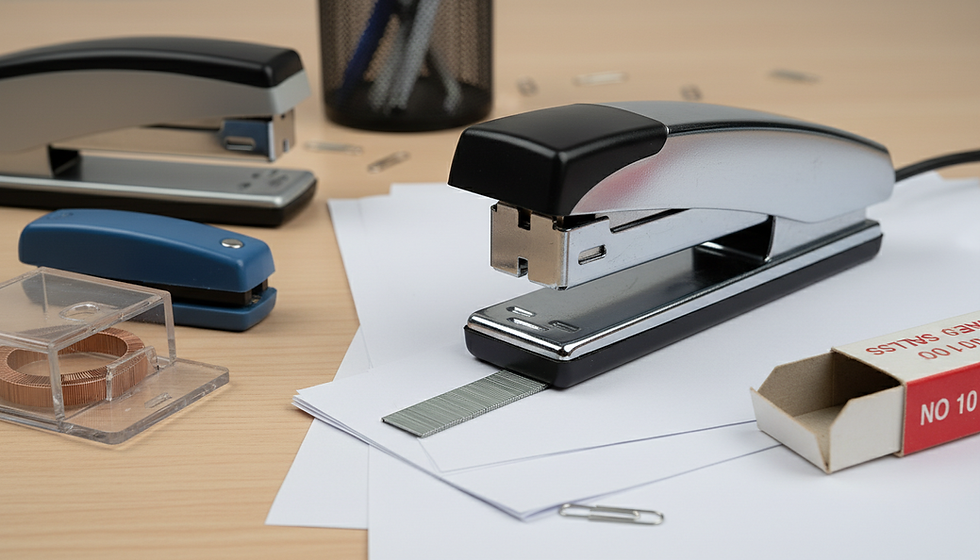
Office and School Work: The classic use of staples is to keep documents together. Whether you’re organising reports, assignments, or receipts, staples provide a quick and secure way to bundle papers.
Home Repairs: Staples are often used in upholstery to attach fabric to furniture frames. They are also useful for securing insulation materials or wiring in place.
Crafting and DIY Projects: If you enjoy crafting, staples can be your best friend. They help in assembling cardboard models, creating photo collages, or even making simple decorations.
Gardening: Believe it or not, staples can be used to attach plant ties or netting to wooden stakes, helping your plants grow upright and protected.
Packaging: In warehouses and shipping, staples are used to seal boxes and cartons securely, ensuring the contents stay intact during transit.
Using staples in these ways not only saves time but also provides a reliable and cost-effective solution for many tasks.

What are Staples Now Called?
You might wonder if staples have undergone any changes in name or design over the years. While the term "staples" remains widely used, there are some variations and related terms depending on the context:
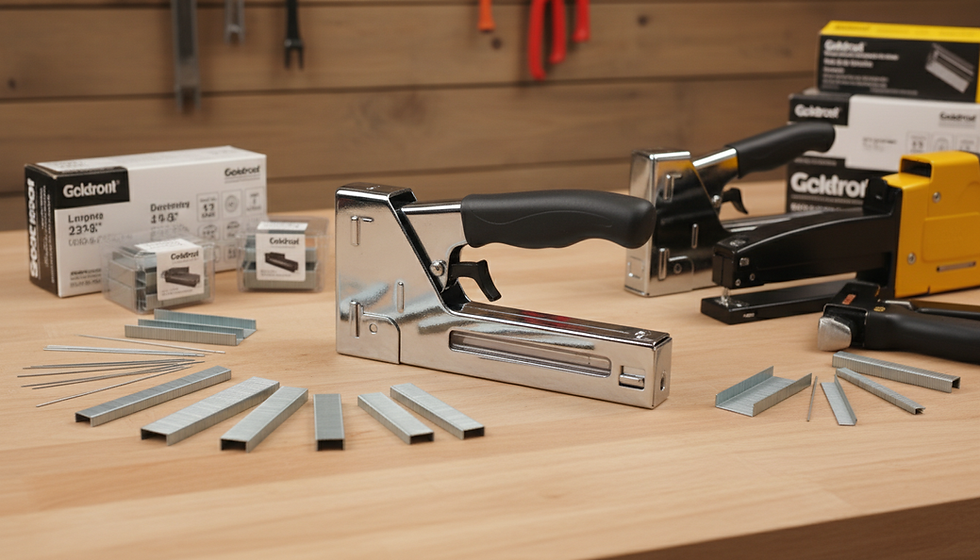
Staple Fasteners: This term is often used in industrial or construction settings to describe heavy-duty staples used with staple guns.
Upholstery Staples: These are larger and stronger staples designed specifically for furniture work.
Cable Staples: These are staples with plastic insulation used to secure electrical cables without damaging them.
Paper Fasteners: Sometimes, in office supply contexts, staples are referred to as paper fasteners, although this can also include other binding tools like clips.
Despite these variations, the core concept remains the same - a small metal device used to fasten materials together efficiently.
Choosing the Right Staples for Your Needs
Selecting the appropriate staples can make a significant difference in the success of your project. Here are some tips I’ve found useful:
Consider the Material Thickness: For thin paper, standard office staples work well. For thicker materials like cardboard or fabric, opt for heavy-duty or upholstery staples.
Staple Size Matters: Staples come in various sizes, usually measured by leg length and gauge. Longer legs are better for thicker stacks or materials.
Staple Gun Compatibility: If you’re using a staple gun, ensure the staples you buy are compatible with your model.
Rust Resistance: For outdoor or moisture-prone projects, choose galvanized or stainless steel staples to prevent rust.
Quantity and Cost: Buying staples in bulk can save money, especially if you use them frequently. Many suppliers offer free delivery on low spend, which is a bonus.
By paying attention to these factors, you can ensure your staples perform well and last longer.

Practical Tips for Using Staples Effectively
To get the best results from your staples, here are some practical recommendations I always follow:
Use the Right Tool: Whether it’s a manual stapler, electric stapler, or staple gun, using the correct tool for your staples ensures smooth operation.
Staple Placement: Place staples near the edge of the material but not too close to avoid tearing. For papers, a corner staple is usually best.
Avoid Overloading: Don’t try to staple too many sheets at once. Check the maximum capacity of your stapler to prevent jams.
Staple Removal: Use a staple remover to avoid damaging papers or materials when you need to take staples out.
Safety First: Always handle staple guns and staplers carefully to avoid injury.
These simple tips can save you time and frustration while improving the quality of your work.
Where to Find a Wide Range of Staples and Accessories
If you’re looking to stock up on staples, it’s important to find a supplier with a large product range and reliable service. I’ve found that many suppliers offer a variety of staples suitable for different needs, from office use to heavy-duty applications. Plus, some provide free delivery on low spend, which is a great way to save on shipping costs.
When shopping, look for:
Detailed Product Descriptions: To ensure you get the right size and type.
Customer Reviews: To gauge product quality and supplier reliability.
Bulk Purchase Options: For better pricing.
Fast Delivery: So you can get your staples when you need them.
By choosing the right supplier, you can keep your projects running smoothly without interruption.
Exploring the versatility of staples has been an eye-opening experience for me. From simple office tasks to complex DIY projects, staples prove to be indispensable tools. Whether you need to organise paperwork, repair furniture, or get creative with crafts, having the right staples on hand makes all the difference. I encourage you to explore the many uses of staples and discover how they can simplify your daily tasks.
For more information and to browse a wide selection of staples, check out staples.

Comments