
Uses of Industrial Staples: Unlocking Their Versatility in Various Industries
- jaspurba
- Jun 16
- 3 min read
When I first started working with fastening solutions, I quickly realised how essential staples are in many industrial applications. Their strength, reliability, and ease of use make them a go-to choice for countless projects. Today, I want to share with you the many uses of industrial staples and how they can improve efficiency and durability in your work.
Exploring the Uses of Industrial Staples
Industrial staples are not your everyday office staples. They are designed to handle heavy-duty tasks and come in various sizes and materials to suit different needs. Here are some of the most common uses I have encountered:
Packaging and Palletising: Staples are widely used to secure boxes, crates, and pallets. They provide a strong hold that keeps goods safe during transport and storage.
Furniture Manufacturing: From upholstery to assembling wooden frames, staples offer a quick and sturdy fastening method.
Construction and Carpentry: Industrial staples are perfect for attaching insulation, roofing felt, and house wrap materials.
Automotive Industry: They are used in assembling interior components such as door panels and seats.
Electrical and Cable Management: Staples help in neatly securing cables and wires to surfaces, preventing tangling and damage.
Using the right staple for each application is crucial. For example, stainless steel staples are ideal for outdoor or humid environments due to their corrosion resistance.

What do you call an industrial stapler?
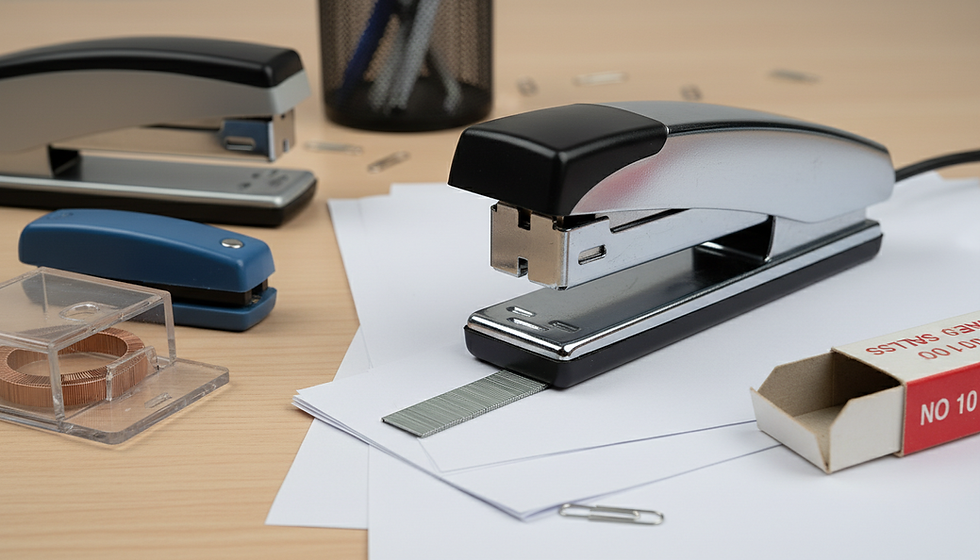
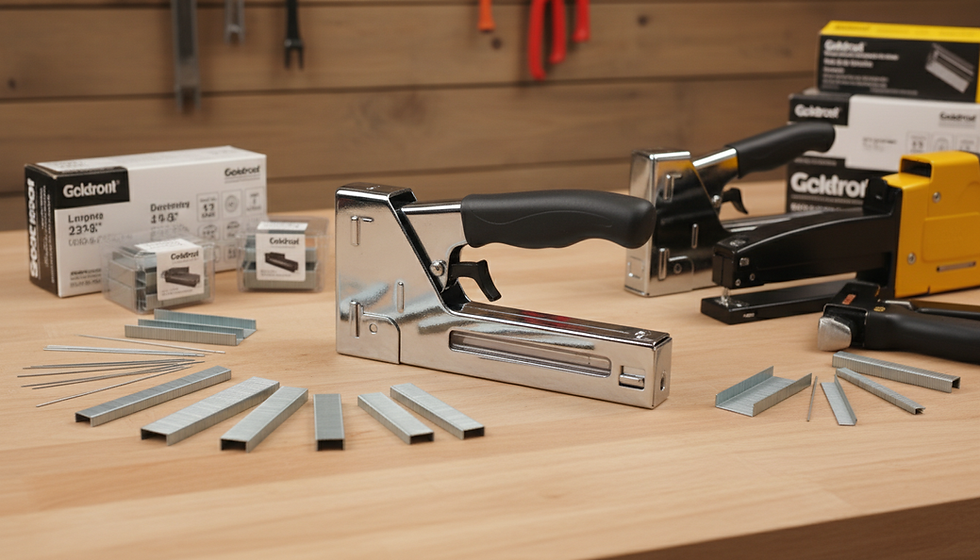
You might wonder what the tool used to drive these heavy-duty staples is called. The answer is simple: an industrial stapler. These staplers are built to handle larger staples and tougher materials than regular office staplers.
Industrial staplers come in various types:
Manual Staplers - Suitable for light to medium tasks, these require physical force to operate.
Electric Staplers - Powered staplers that increase speed and reduce fatigue, perfect for high-volume work.
Pneumatic Staplers - Use compressed air to drive staples, ideal for heavy-duty construction and manufacturing jobs.
Choosing the right stapler depends on your specific needs, including the material thickness, volume of work, and portability requirements.

How to Choose the Right Staples for Your Project
Selecting the correct staples can make a significant difference in the quality and durability of your work. Here are some tips I follow when choosing staples:
Material Compatibility: Match the staple material with the project environment. For example, use galvanized or stainless steel staples for outdoor use.
Size and Length: Ensure the staple length is sufficient to penetrate the materials being joined without causing damage.
Crown Width: The crown is the top part of the staple. Wider crowns provide better holding power for soft materials like fabric or insulation.
Load Requirements: Consider the stress the joint will endure. Heavy loads require stronger staples and possibly a stapler with higher driving power.
By understanding these factors, you can avoid common issues like staples pulling out or materials splitting.
Practical Tips for Using Industrial Staples Effectively
From my experience, here are some actionable recommendations to get the best results with industrial staples:
Prepare the Surface: Clean and dry surfaces ensure better staple adhesion.
Use the Right Stapler Pressure: Adjust the stapler settings to avoid over-penetration or insufficient fastening.
Test Before Full Application: Always test staples on scrap material to check for fit and hold.
Safety First: Wear protective gear and follow manufacturer guidelines to prevent accidents.
Stock Up on Variety: Having a range of staple sizes and types on hand saves time and ensures you’re ready for any job.
Additionally, I always recommend sourcing from suppliers who offer a large product range and free delivery on low spend, making it easier to get exactly what you need without extra cost.
Industries Benefiting Most from Industrial Staples
Many industries rely heavily on staples for their daily operations. Here are some sectors where staples play a vital role:
Logistics and Warehousing: Securing shipments and packaging.
Furniture and Upholstery: Fastening fabrics and frames.
Construction: Attaching insulation, roofing, and drywall.
Automotive: Interior assembly and trim fastening.
Electrical: Cable management and securing wiring.
Each industry benefits from the speed, strength, and reliability that staples provide, helping to streamline processes and reduce labour costs.
If you want to explore more about industrial staples, their types, and applications, I encourage you to check out specialised suppliers who offer expert advice and a wide selection to suit your needs.
I hope this overview helps you understand the versatility and importance of industrial staples in various fields. Whether you are a professional or a DIY enthusiast, having the right staples and tools can make your projects easier and more durable.

Comments